

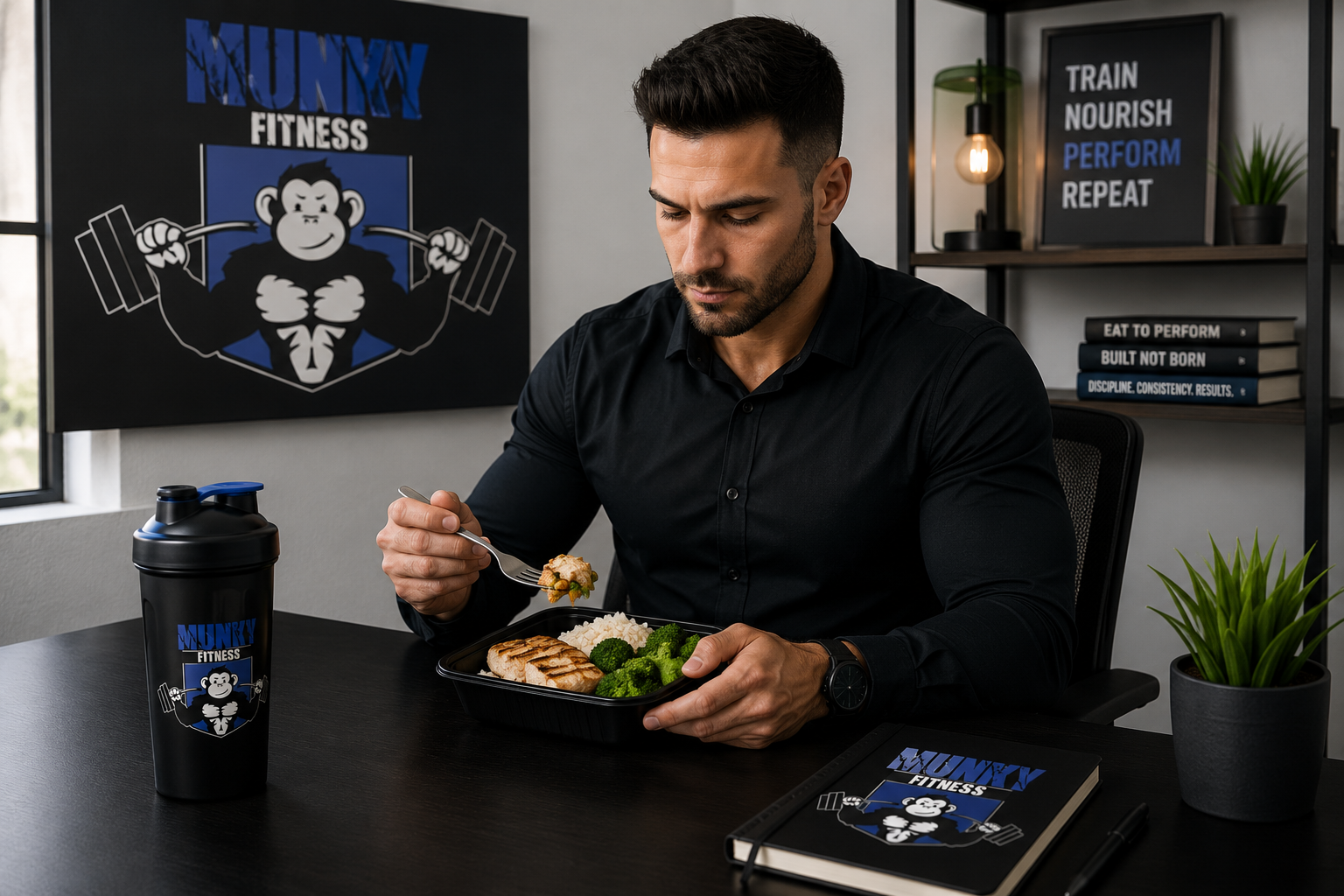
Most busy professionals don't gain weight because they're lazy, they gain it because their schedule is running them. Late meetings, skipped lunches, stress eating at 9pm, and starting over every Monday. Sound familiar? The problem isn't your willpower. It's that the system you're living inside wasn't built for fat loss. This guide is about fixing the system, not punishing yourself harder.
Your body doesn't know you're stressed about a deadline. It just knows cortisol is high, sleep is short, and meals are unpredictable. When those three things stack up week after week, your hunger hormones go haywire, ghrelin (the hunger signal) spikes, leptin (the fullness signal) tanks, and your body starts holding onto fat, especially around your midsection. This isn't a character flaw. It's a biology problem that comes with the lifestyle.
The professionals who figure this out aren't the ones who finally "got disciplined." They're the ones who stopped fighting their schedule and started building habits that work inside it. That's a completely different game.
You don't need meal prep Sunday. Here's a realistic day: Greek yogurt and a banana before your 8am call. A chipotle bowl (chicken, rice, black beans, no sour cream) between meetings. A handful of almonds and string cheese mid-afternoon so you're not wrecked by dinner. A plate at home that's half protein, half something you actually want to eat. That's not a diet. That's a framework that keeps you from going off the rails.

The single most destructive pattern in fat loss isn't overeating. It's the cycle of "on" and "off." You follow a strict plan for two weeks, one hard week at work derails it, and suddenly you're "starting over Monday" again. Three months later you're in the same spot, except now you also have a worse relationship with food and less belief that anything will actually work for you.
The best system is the one you'll actually follow.
Sustainable fat loss doesn't come from being perfect. It comes from raising your floor. A 7/10 week, repeated for six months, beats a 10/10 week followed by a 3/10 week every time. The professionals who actually change their body composition long-term are the ones who learned to stay in the game on their worst weeks, not just their best ones.
Most people don't need a new diet. They need someone to look at their actual week, their real meals, their real sleep, their real stress, and adjust. That's what a nutrition coach does. Not hand you a meal plan and tell you to follow it. Actually review what's happening, catch the patterns you can't see from inside your own life, and recalibrate.
At Munky Fitness, every client submits a weekly check-in. Calories, protein, sleep, steps, stress, all of it. From that data, you get personalized feedback, a recalibrated game plan, and a coach who can tell the difference between a plateau that needs a calorie adjustment and a plateau that needs a rest week. That's the difference between spinning your wheels for another year and actually moving forward.
Yes, but the strategy has to match the lifestyle. Rigid meal plans fail for busy professionals because they depend on conditions that don't exist most weeks. What works is building flexible anchors: consistent protein, a soft eating window, and a backup plan for when things go sideways. Most clients who work demanding jobs lose weight not by doing more, but by finally stopping the restart cycle.
For most professionals, 25–35g of protein at each main meal is the target. That's roughly 75–105g per day from food alone, enough to keep hunger stable, protect muscle while losing fat, and reduce the urge to snack on everything in sight by 4pm. You don't need to weigh food or track obsessively. Just ask yourself: "Does this meal have a meaningful protein source?" and adjust from there.
Every week, you submit a short check-in, how you ate, how you slept, your energy, your stress, your training. Your coach reviews all of it and sends back personalized feedback, not a generic email. If your protein was low, you get a specific fix. If your weight stalled, you get the reason why and a recalibration. If you had a great week, you get acknowledgment and a new target. It's real-time adjustment to your real life, not a static plan you follow alone.
If you're a professional who's tired of starting over, Munky Fitness was built for exactly this. Six-month coaching containers, weekly check-ins, and a coach who adjusts your plan around your actual life, not a perfect version of it. Book a free consultation →