.jpg)
Most nutrition advice assumes you have time.
Time to meal prep.
Time to plan perfectly.
Time to cook every meal.
Time to track everything flawlessly.
Time to “optimize.”
Busy professionals don’t live in that world.
They live in a world of:
Meetings that run long
Travel days
Decision fatigue
Stress spikes
Interrupted sleep
Working lunches
Late dinners
Mental overload
And that’s exactly why most nutrition plans fall apart, they’re built for ideal conditions, not real schedules.
Let’s talk about what actually works when your life is full.
⏱️ The Time Problem Isn’t Cooking, It’s Cognitive Load
Most people think the barrier is food prep time.
It’s not.
It’s decision load.
When your brain is already full from work, leadership, deadlines, and responsibility, the last thing it wants is:
Macro math
Recipe decisions
Calorie puzzles
“What should I eat?” loops
The real solution isn’t more recipes.
It’s fewer decisions.
🧠 Nutrition Needs Defaults, Not Motivation
Busy people succeed when they have:
Default meals
Repeatable structures
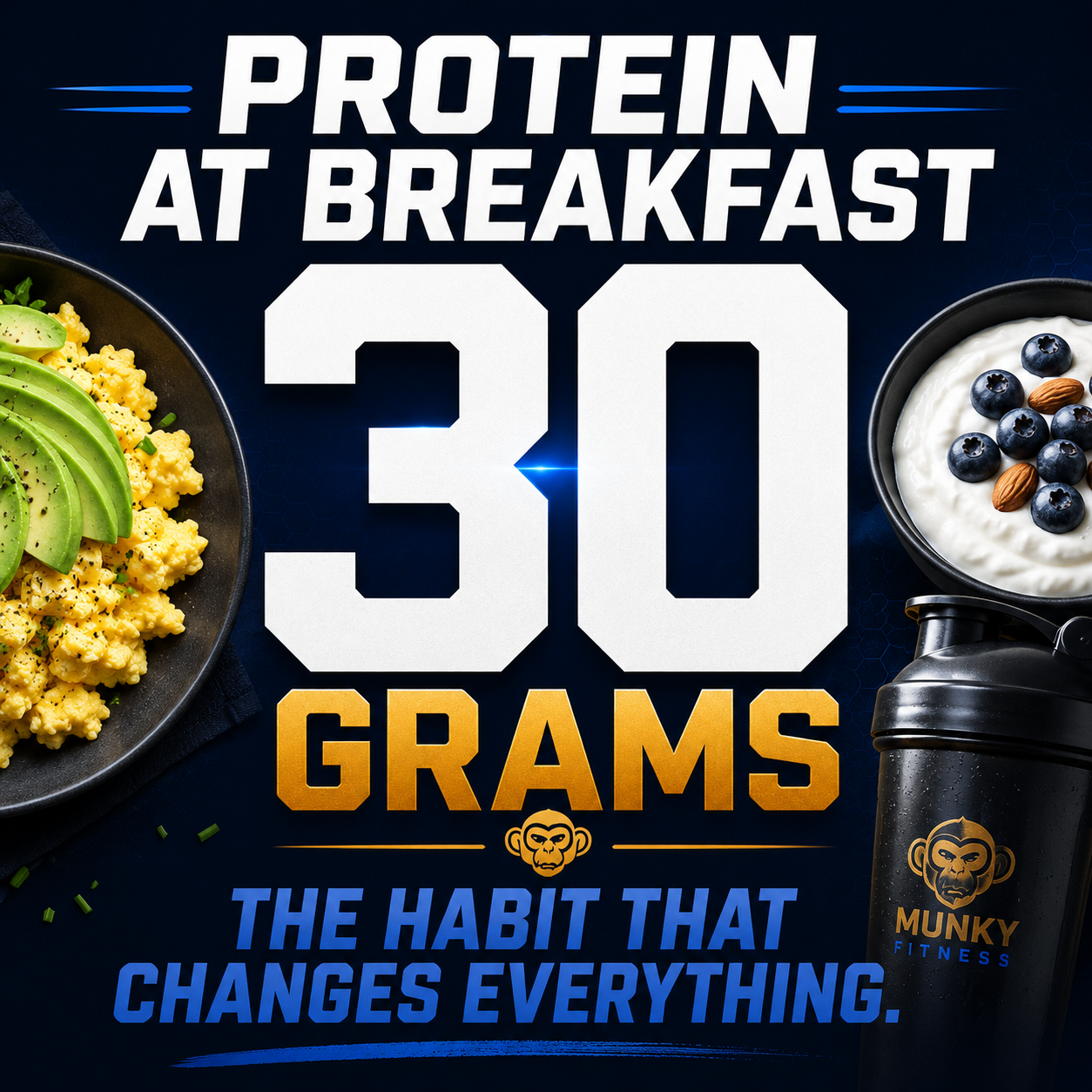
Protein anchors
Go-to orders
Travel rules
Minimum standards
Consistency floors
Not endless variety.
Structure beats creativity when time is scarce.
🍽️ The Myth of Perfect Eating
Perfection thinking sounds like:
“I’ll start when work slows down.”
“Next month will be better.”
“After this project…”
But high performers rarely get a slower season.
What works instead:
Imperfect consistency
Structured flexibility
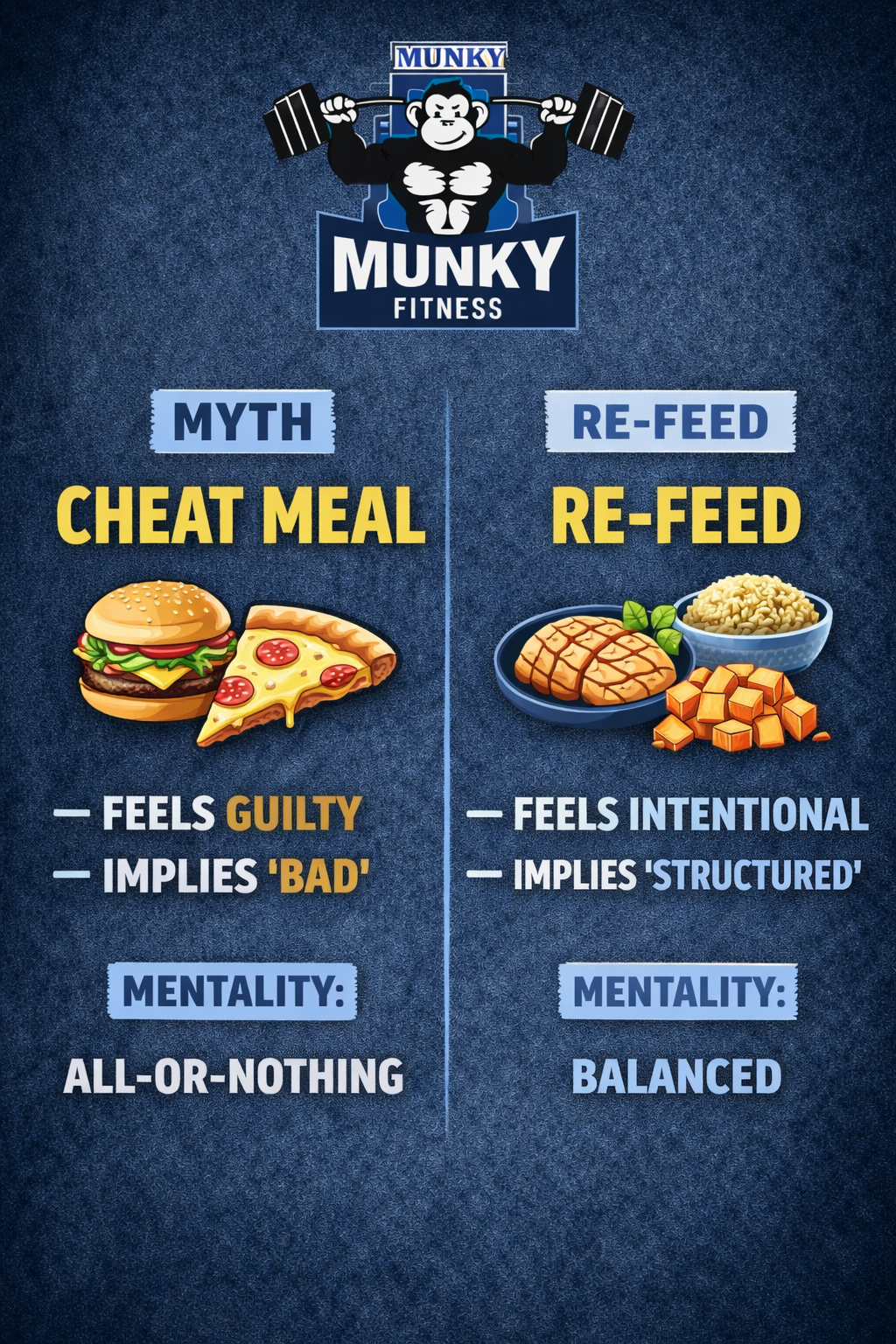
Controlled damage days
Minimum viable nutrition
Recovery meals after chaos days
Progress comes from damage control and rebound speed, not perfect streaks.
📊 Why Data Helps Busy People More, Not Less
Many professionals think tracking adds stress.
In reality, simple, structured tracking reduces uncertainty.
When done correctly, data gives you:
Fast course correction
Pattern detection
Objective feedback
Decision shortcuts
Clear next actions
Not obsession, clarity.
🔁 The Real Strategy: Reduce Friction
Sustainable nutrition for busy people focuses on:
Removing food decisions
Pre-selecting meals
Setting protein minimums
Using restaurant frameworks
Building travel playbooks
Creating “busy day rules”
Designing fallback options
This is systems thinking, not willpower thinking.
🐒 How Munky Fitness Approaches Busy Schedules
The coaching model is built specifically for real-world schedules.
That means:
Flexible structure instead of rigid plans
Behavior anchors instead of perfection targets
Weekly pattern analysis instead of daily guilt
Strategy adjustments based on stress load
Built-in recovery protocols after off-weeks
You’re not judged for being busy.
The system is designed for it.
🎯 Bottom Line
If a nutrition strategy only works when life is calm, it doesn’t work.
The right system works when:
You’re busy
You’re stressed
You’re traveling
You’re overloaded
You’re human
That’s the standard.
📅 If Your Schedule Is Full but Your Goals Still Matter
Start with a consult conversation.
We’ll map:
Your schedule realities
Your friction points
Your decision load
Your habit gaps
And build a structure that fits your life, not the other way around.